How To Make All Purpose Flour From Wheat Berries
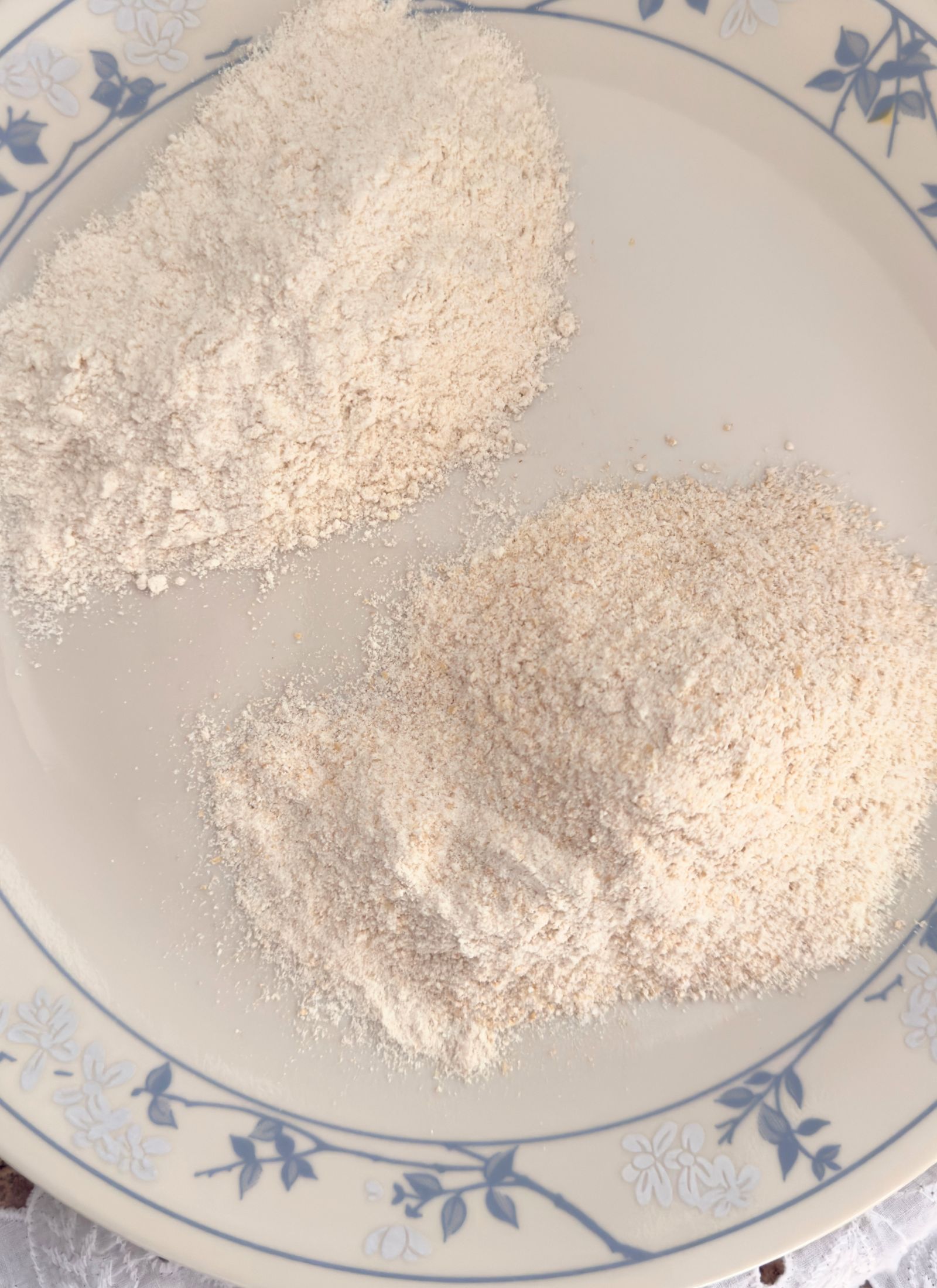
This all purpose flour is the easiest to whip up for an everyday all purpose flour, but freshly milled! Whole grain or sifted.
This post contains affiliate links, which means I make a small commission at no extra cost to you. As an Amazon Associate I earn from qualifying purchases.
A Good Everyday Flour for a Little Bit of Everything
There are all sorts of flours lining the grocery store shelves. All-purpose for everyday baking, bread flour for a good loaf of bread, pastry and cake flours for something a little more tender, and whole wheat flour that keeps the whole grain intact.
When you start milling your own wheat, those familiar flours don’t have to disappear from your kitchen. You can still make the same biscuits, breads, cakes and old family recipes you’ve always made. You’re simply starting one step further back, with the wheat berry itself.
And that’s really how I like to think about fresh milling in my own kitchen.
I’m not trying to turn every old recipe in my recipe box into a special “fresh milled flour recipe.” I want to make the same things I’ve always made, using the ingredients I choose to keep in our kitchen now.
So when a recipe calls for all purpose flour, I still use all purpose flour. I just happen to make mine.
My everyday blend is about as simple as it gets:
50% hard white wheat, 50% soft white wheat
I can leave it completely whole grain or sift some of the bran away when I want something a little lighter. Either way, it gives me one dependable flour for a little bit of everything.
And if you don’t mill your own wheat? Use the all-purpose flour you already love. My recipes are written with familiar ingredients so you can make them in your kitchen, whether your flour comes from a grain mill or a bag.
What Makes an All Purpose Flour?
To understand why I mix two wheats together, it helps to know just a little bit about the wheat itself.
Hard wheat is higher in protein and gives flour more strength and structure. That’s part of what makes it so useful for bread.
Soft wheat is lower in protein and makes a more tender flour, which is lovely for biscuits, muffins, cakes and pie crusts.
For an everyday flour, I like something right in the middle.
So instead of reaching for all hard or all soft wheat, I use equal parts of both. The hard wheat brings some strength, the soft wheat brings some tenderness, and together they make a good, middle-of-the-road flour that earns its keep in my kitchen.
My All-Purpose Flour Blend
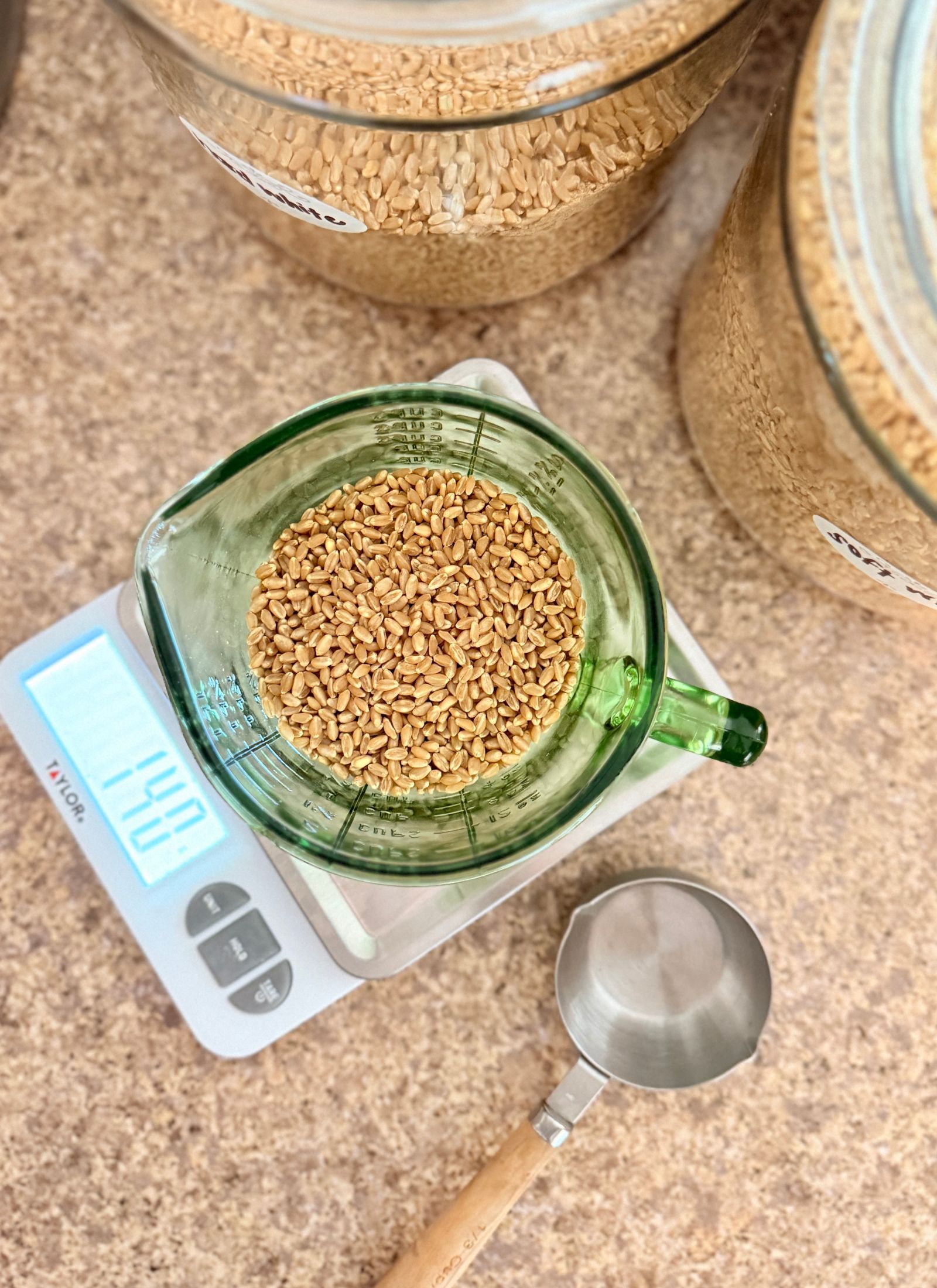
1 part hard white wheat
1 part soft white wheat
I prefer white wheat because it has a lighter, milder flavor, but red wheat can certainly be used if that’s what you keep on hand. It will simply give your flour a heartier wheat flavor.
There are plenty more wheat berries to choose from like ancient grains including einkorn, spelt and Kamut but those behave differently and do not have a hard or soft structure.
For a simple everyday all purpose flour, though, I keep coming back to hard white and soft white.
Whole Grain or Sifted?
This is one of my favorite things about milling flour at home. I get to decide how far I want to take it.
The very same all purpose blend can become either a whole grain flour or a lighter, sifted flour.
For whole grain, I mill equal parts hard and soft wheat and use every bit of the flour that comes from the mill.
For sifted, I mill that same blend and sift away some of the larger pieces of bran.
If we’re perfectly happy with the whole grain in a recipe, I see no reason to sift it away. I actually love the flavor of whole wheat and the nutrition benefits, so the goal is to leave the whole grain intact. But there are some things where a lighter, softer texture is simply nicer looking and textured. There are certainly a few baked goods where my children appreciate seeing a little less bran.
So I don’t have a hard and fast rule that everything must be whole grain or everything must be sifted. I use whichever makes the most sense for what I’m making that day. And sometimes this means one day I make biscuits with sifted flour and another day with whole grain. It truly just depends on what we want and need.
If you’d like to get into the finer details of sieve sizes, how much bran is removed and how sifting changes your finished flour, I’ve put all of that in my post on sifting fresh milled flour.
How Much Wheat Do I Need?
This is the little bit of kitchen math I can handle when flour is flying everywhere and little hands are grabbing at every mixing bowl.
For 1 Cup of Whole Grain All-Purpose Flour
Mill: 2/3 cup or 140 grams of wheat berries total
- 1/3 cup (70 grams) hard white wheat berries
- 1/3 cup (70 grams) soft white wheat berries
Together, this will give you approximately 1 cup (140 grams) of whole grain all purpose flour.
For 1 Cup of Sifted All Purpose Flour
Since some of the wheat will be left behind as bran, I simply start with more. You generally sift out about 1/2 the flour you mill with a 60 mesh sieve.
Mill:
- 2/3 cup (140 grams) hard white wheat berries
- 2/3 cup (140 grams) soft white wheat berries
Mill the wheat, sift it, and then measure 1 cup (about 140 grams) of finished flour for your recipe. If you mill this exact amount for each cup, it should be pretty close to using it all up.
The exact amount you end up with after sifting can vary depending on your wheat and how finely you sift it, so I treat this as a good kitchen estimate rather than a perfect equation. I’d much rather have a little flour left over than come up half a cup short with a bowl of biscuit dough waiting on me.
Any extra goes into the freezer for another day.
The simple way to remember it: For sifted flour, mill 1 1/3 cups or 280 grams of wheat berries for every 1 cup (140 grams) of sifted flour you need. For unsifted, mill 2/3 cups or 140 grams of wheat berries for every 1 cup (140 grams) of unsifted flour you need. Split the total amount between soft and hard wheat.
Easy peasy, mac and cheesy! That’s Ila’s favorite saying and it’s fitting here.
How to Make All Purpose Flour From Wheat Berries
Once you’ve got that little formula in your pretty little head, there’s really not much to it.
1. Measure Your Wheat
Decide how much flour your recipe calls for and whether you’d like to use it whole grain or sifted.
Measure equal amounts of hard white and soft white wheat berries, based on how much total you need.
You can mill the two wheats separately and combine the flours afterward or mill them together and mix well.
2. Mill Your Flour
Mill the wheat berries into a fine flour.
I use a NutriMill Classic and keep mine on its finest setting. On my machine, that means the top knob is turned all the way to the left. When starting the mill with the bottom knob, I turn it only far enough to get things going while keeping it as far toward fine as I can.
If you’re using another grain mill, follow the directions for your particular mill to get a fine flour.
And just like that, you’ve got flour!
3. Use It Whole or Give It a Sift
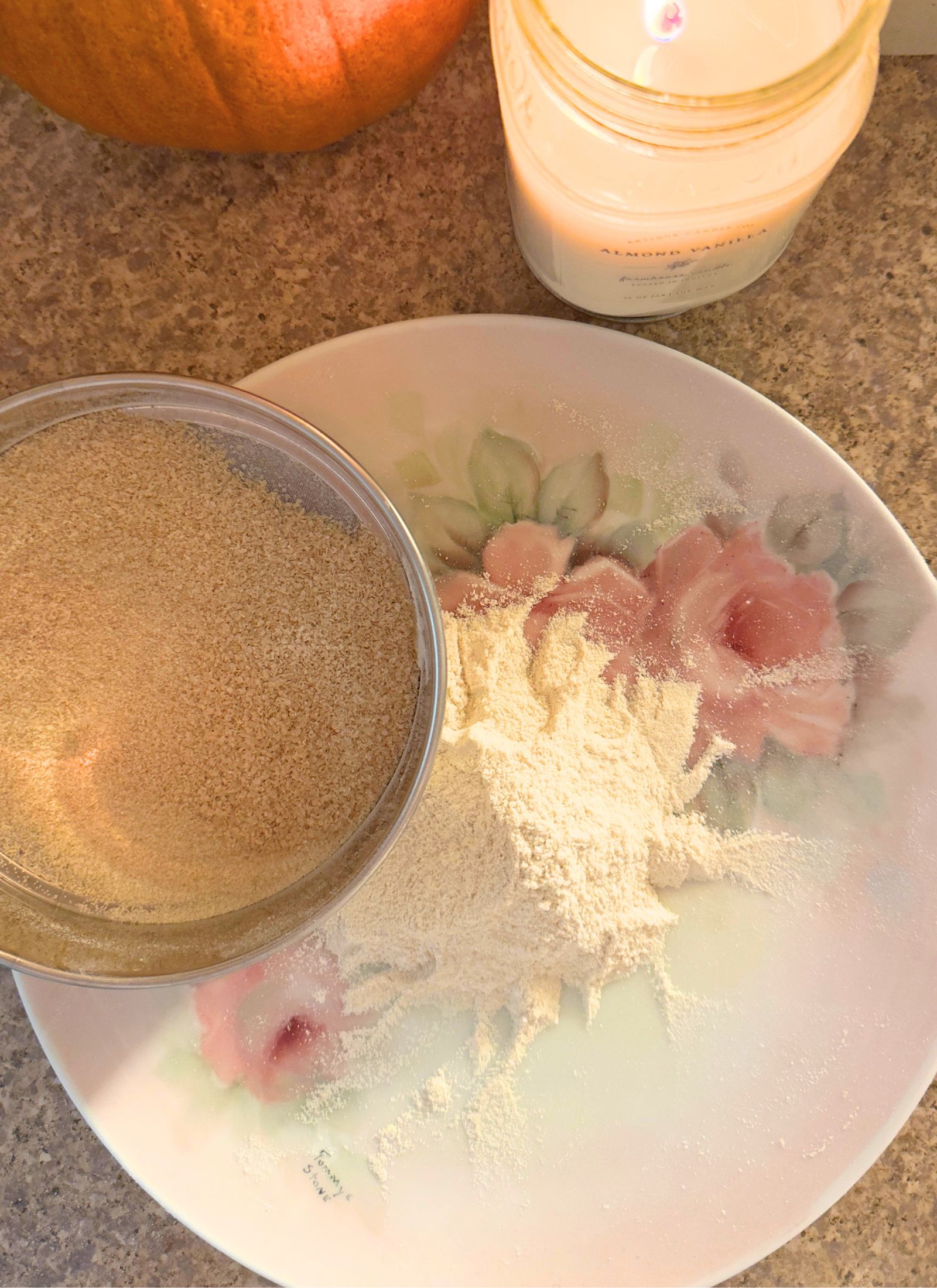
If you’re making whole-grain all purpose flour, you’re finished. Give the flour a stir to make sure everything is nicely combined and measure what you need for your recipe. It should be pretty close without extra or not enough, but there’s always some wiggle room especially if you measured by cups rather than grams.
If you’re making sifted all purpose flour, sift some of the bran from your freshly milled flour (I use a 60 mesh sieve) and then measure the finished flour into your recipe. It also should be pretty close but there’s even more wiggle room here depending on the sifting.
And whatever you do, don’t throw that bran away.
That little bowl of bran is still food, and I paid for the whole wheat berry, so I intend to use the whole wheat berry one way or another. I save mine for bran muffins, cream of wheat, granola, feeding my sourdough starter, breadcrumbs and even things like meatloaf.
Usually the bran finds its way back to the table in another delicious form.
Can I Make a Big Batch?
Certainly. You can make this blend in a larger batch just as easily.
Measure equal parts hard and soft white wheat berries, mill them together and mix the flour well. Leave it whole grain or sift it, depending on which version you’d like to have ready, and tuck the extra flour into the freezer. No need to measure much beyond using equal parts soft and hard.
Then it can be scooped and measured just like any other flour when it’s time to bake.
Baking With Homemade All Purpose Flour
This is really the reason I started figuring all of this out in the first place.
I have recipes that have been passed down, recipes scribbled onto cards, and recipes I’ve collected and made enough times that I hardly need to look at the directions anymore. They’re part of our family’s kitchen. I didn’t want milling wheat to mean leaving all of that behind.
I don’t want a separate collection of “fresh milled recipes” for every loaf of bread, cake, biscuit and muffin I make. I’d rather learn how to make the ingredients those recipes have always called for.
So when one of my recipes says all purpose flour, that’s exactly what I mean.
You can pull a bag of your favorite all purpose flour from the pantry.
Or you can pull out your wheat berries and make this one.
I generally begin by using my homemade all purpose flour 1:1 in the same recipes I’ve always made. Freshly milled whole grain flour does behave a little differently from commercial white flour, so every once in a while I find that a recipe does better with a touch less flour or a little more liquid, or more often than not a little extra soaking time. But for the most part, they are interchangeable.
My bread recipe, for example, has always called for 2 1/2 to 3 cups of flour. With store bought flour or my sifted homemade flour, I usually land closer to 3 cups. When I use the whole grain version, I often find 2 1/2 cups is about right.
Those are the little adjustments I make as I cook, rather than changing the whole way I bake.
A Flour for a Little Bit of Everything
I certainly don’t use this blend because it’s the only flour I can make.
That’s part of the fun of having wheat berries piled away in the pantry. I can make a stronger bread flour when I’m working on a good loaf of sourdough, a softer pastry flour for pie crust, or a cake flour when I want something especially tender.
But I don’t always need to. Most days, I need a good everyday flour.
Something for the muffins we’re making after breakfast, the biscuits going alongside supper, a loaf of bread for tomorrow’s toast or a cake somebody decided we ought to bake just because.
Whole grain when it suits us. Sifted when we’d like it a little lighter.
A good all purpose flour for a little bit of everything.