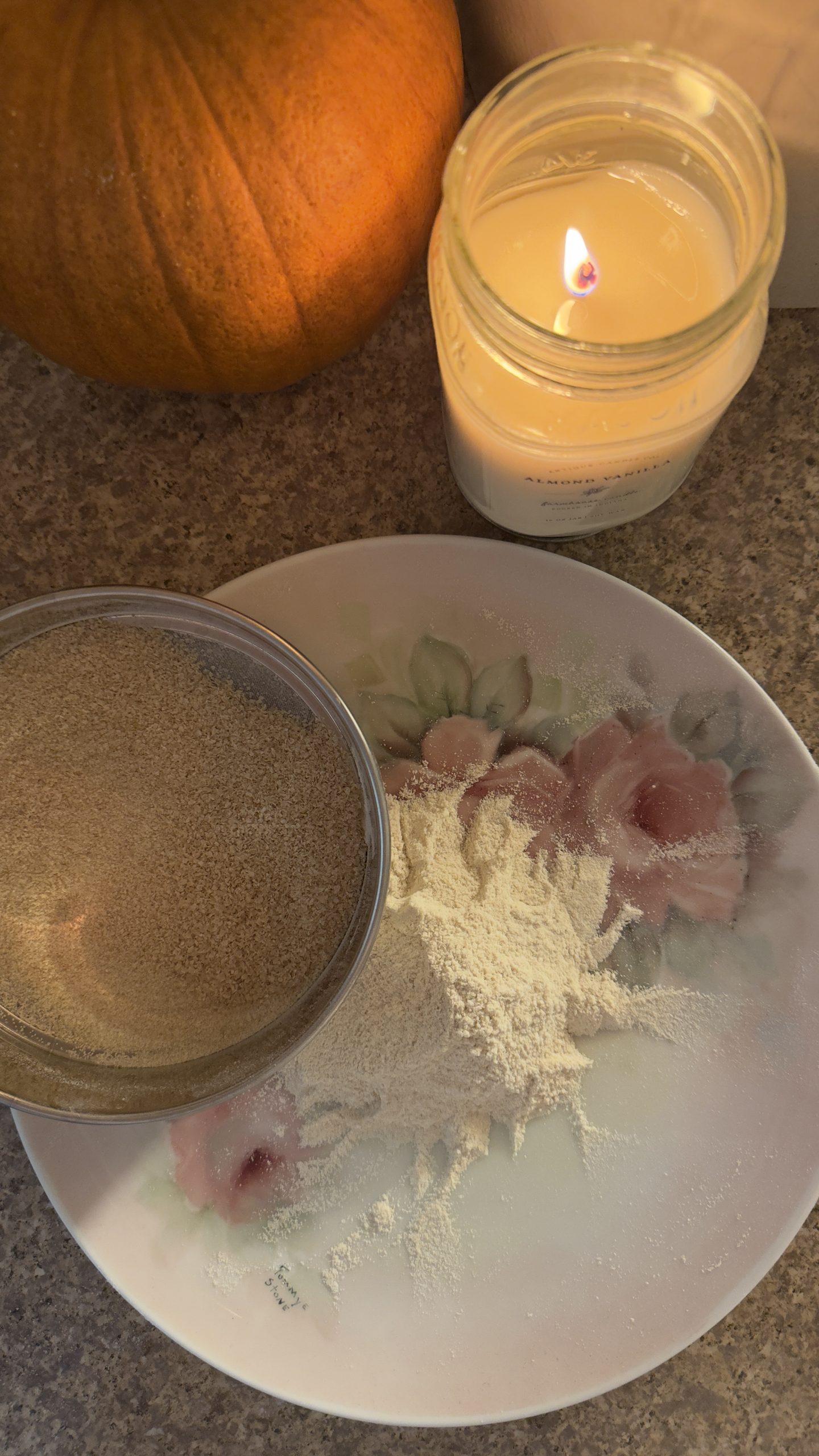
One thing about fresh milled flour is it comes with a whole lotta versatility! You don’t just have to have a dense, whole grain baked good. Let me show you how to sift whole grain, fresh milled flour for lighter baked goods and something that resembles a store bought, white, plain flour.
Lighter, Homemade Flour
One of the things I love most about milling our own wheat is that I get to decide what kind of flour I want to make each time I walk into the kitchen.
Sometimes I want the whole wheat berry, bran and all.
Sometimes I want a lighter flour for a soft loaf of bread, a pretty cake, tender biscuits or one of those old recipes that just isn’t quite the same with all that bran added in.
That’s where sifting comes in.
Sifting freshly milled flour allows us to remove some of the larger pieces of bran from the flour, giving us a lighter, softer flour while still beginning right here in our own kitchen with whole wheat berries.
It doesn’t make our flour exactly the same as commercial white flour, and it does mean removing some of the whole grain which means less nutrition. But it gives us another option somewhere between the two, and around here, I rather like having options.
And thankfully, I don’t think we have to choose one forever and always.
What Does It Mean to Sift Fresh-Milled Flour?
When a wheat berry goes through my grain mill, I get the entire grain in my flour. Nothing has been removed, nothing added.
That includes the bran, germ and endosperm, which is why freshly milled whole grain flour looks, tastes and behaves differently from the white all-purpose flour we can buy at the grocery store.
When we sift freshly milled flour, we’re passing that flour through a fine sieve. The smaller flour particles fall through while some of the larger pieces like the bran are caught.
It’s actually a very simple process with the right tools and can really make a difference in the quality of your home baking, nutritionally and in the way they taste.
Why Sift Fresh-Milled Flour?
You certainly don’t have to.
In fact, if my family likes a recipe made with the whole grain, that’s usually how I make it. Keeping the wheat berry intact means we’re eating everything that came from it, and I happen to enjoy the hearty flavor of whole wheat, the nutrition (higher protein and fiber) content and how filling it is.
But texture and appearance matter to me too. Why I do love a pretty looking loaf of bread or a fluffy beautiful cake.
Bran can interfere with gluten development and give baked goods a heartier, denser texture. That’s perfectly lovely in plenty of things, but it isn’t necessarily what I’m looking for in everything I bake. And with little ones eating out of this kitchen, sometimes they just want fluffy white pancakes.
Sifting some of that coarse bran away can give me a flour that works a little more like the lighter flour I was used to baking with before I started milling wheat.
I especially like having the option for things such as:
- A fluffy, light loaf of farmhouse sandwich bread
- Buttermilk pancakes that melt in your mouth
- Flaky, light pastries like my favorite croissants
- Old family recipes where I’m trying to preserve a familiar texture and flavor for nostalgia’s sake
The goal, now, is to use whole grain for as much as I can without compromising on flavor and opting for the same flour, just a little lighter occasionally.
Arguments To Not Sift Fresh Milled Flour
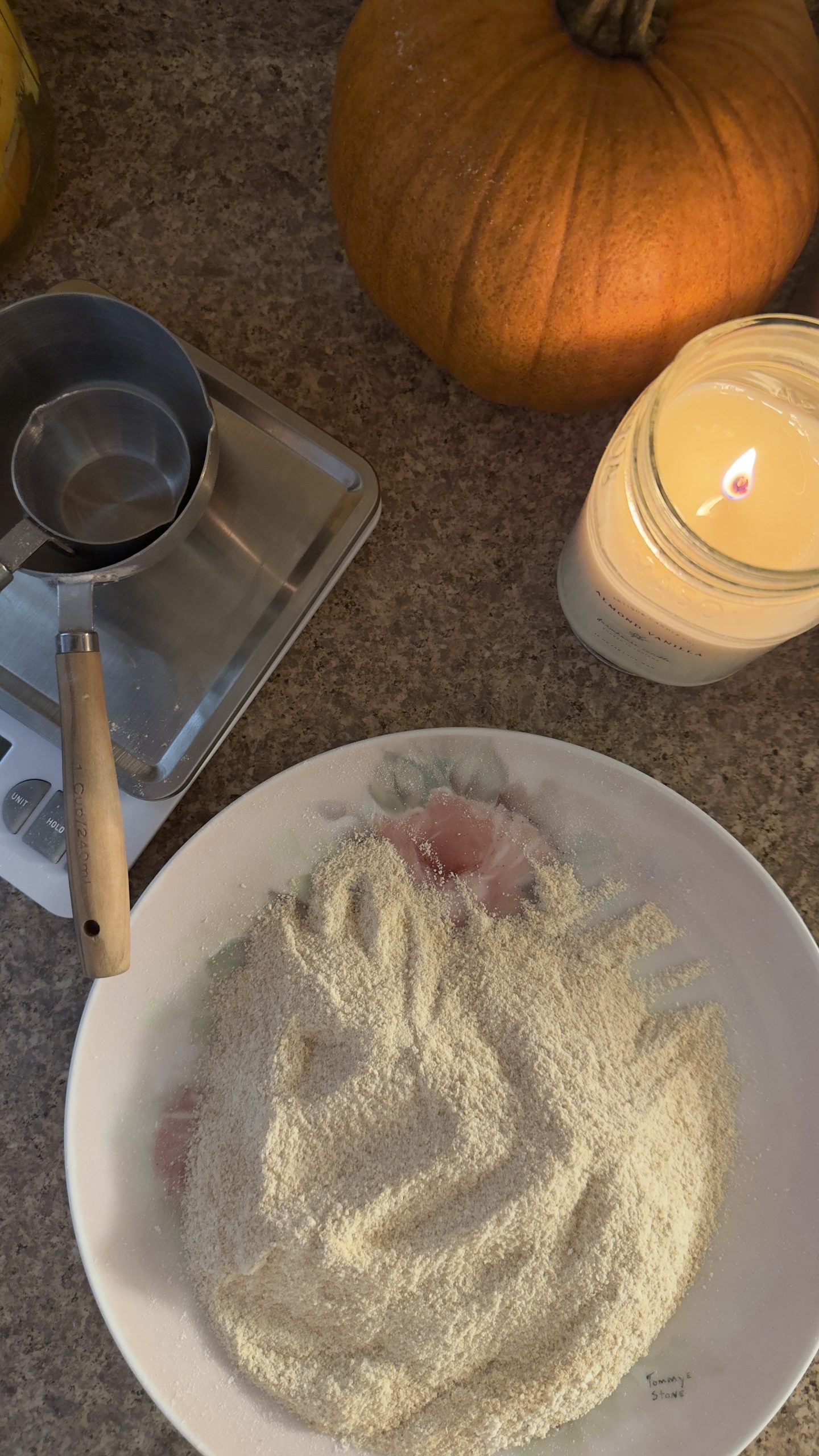
With all that said, there are reasons I do not sift all the flour we use.
- First, you lose the nutrients found in the bran which is a big part of the nutritial value. For us, I keep the bran and use it in other things like muffins, granola, as breadcrumbs, in meatloaf, and anywhere I can “hide” it. So the entire grain is eventually getting eaten. I did however read at one point that even if we eat all of the parts of the grain at seperate times, if not eaten all together, our bodies will process the grains differently because they all work together. I’m not a purist, so occassionally I am ok with this. But just some food for thought for you!
- Another reason not to, is it’s just not always necessary. A lot of baked goods lend really well to a whole grain flour, and you can’t actually tell it’s whole grain. If you can “hide” nutrition into a baked good without even noticing, why wouldn’t you?
- Whole grain using fresh milled flour is actually really delicious and very filling. I love it in most things and find my food tastes much better. My family agrees. There are just a few things we prefer sifting for but mostly, we love fresh milled, whole grain.
- It’s honestly just more work. First you have to sift it which means time and energy spent over a bowl with a small sifter working through however much flour you need. It also means more dishes like the sifter and bowls to keep it all seperate. Sometimes, it’s just not worth the extra time and work.
- We spend money on the whole grain, I want to utilize it all. Like I said, we still consume the bran so this just depends on the home but I want as much for my money as possible, so sifting out the bran has to be worth the work to incorporate it into another food because I simply won’t waste it.
- It can double the cost. You are using twice the amount of wheat berries to make one recipe. Sure, those can be used elsewhere but if you don’t actually plan to eat them that way you are spending more money. This is another reason I love to only sift when I really need to!
What Kind of Sieve Do I Need?
This was one of the things that confused me when I first started looking into sifting flour. I even bought a few that never did what I needed trying to find what works.
You’ll see sieves labeled with numbers such as #20, #30, #40 or #60 mesh, and at first glance it would be easy to assume a bigger number means bigger holes. It’s actually the opposite.
The mesh number refers generally to how many openings there are per inch of the screen. So as the mesh number goes up, the openings become finer.
I keep a #60 around because it gives me a very fine flour, much like an unbleached all purpose which is my goal if I am going to sift at all. Because its openings are smaller, it catches more of the larger particles and leaves me with a finer, lighter finished flour.
When I’m trying to get closer to the feel of the unbleached all-purpose flour I used to buy, this is generally the direction I go and I prefer it.
It still isn’t the same thing as commercially milled all-purpose flour entirely, especially a bleached all purpose. We’re using a home grain mill and a sieve rather than reproducing the commercial roller-milling and refining process. That means, it’s a heck of a lot fancier commercially but in my home kitchen, I’m just a simple gal.
But in my own kitchen, I’m trying to make flour that works well for what I’m baking and this is pretty darn close to an unbleached all purpose, giving lovely results in things we want lighter and fluffier. And I don’t have to sub in white flour and keep one more thing in my pantry.
How Much Flour Do You Lose When Sifting?
This is where things get a little less exact.
How much finished flour you end up with depends on your wheat, your mill, how finely it was milled, the sieve you’re using and how thoroughly you sift.
So rather than treating these numbers as a promise, I use them as a general kitchen guide.
These are the approximate yields I’ve gotten in my own kitchen.
Sifting With A #60 Sieve
If I sift 1 cup (about 140 grams) of freshly milled flour, I end up with approximately:
70 grams, or about 1/2 cup, of sifted flour.
Your numbers may be a little different from mine, and that’s perfectly fine. Adjust for your kitchen over time.
After making the same recipes a few times, you’ll start to learn your own mill, your own sieve and your own wheat. Eventually you’ll know almost without thinking how much wheat to toss into the mill when you need enough flour for a loaf of bread.
That’s one of those little bits of kitchen knowledge that comes from simply doing it over and over.
A Simple Rule for Knowing How Much Wheat to Mill
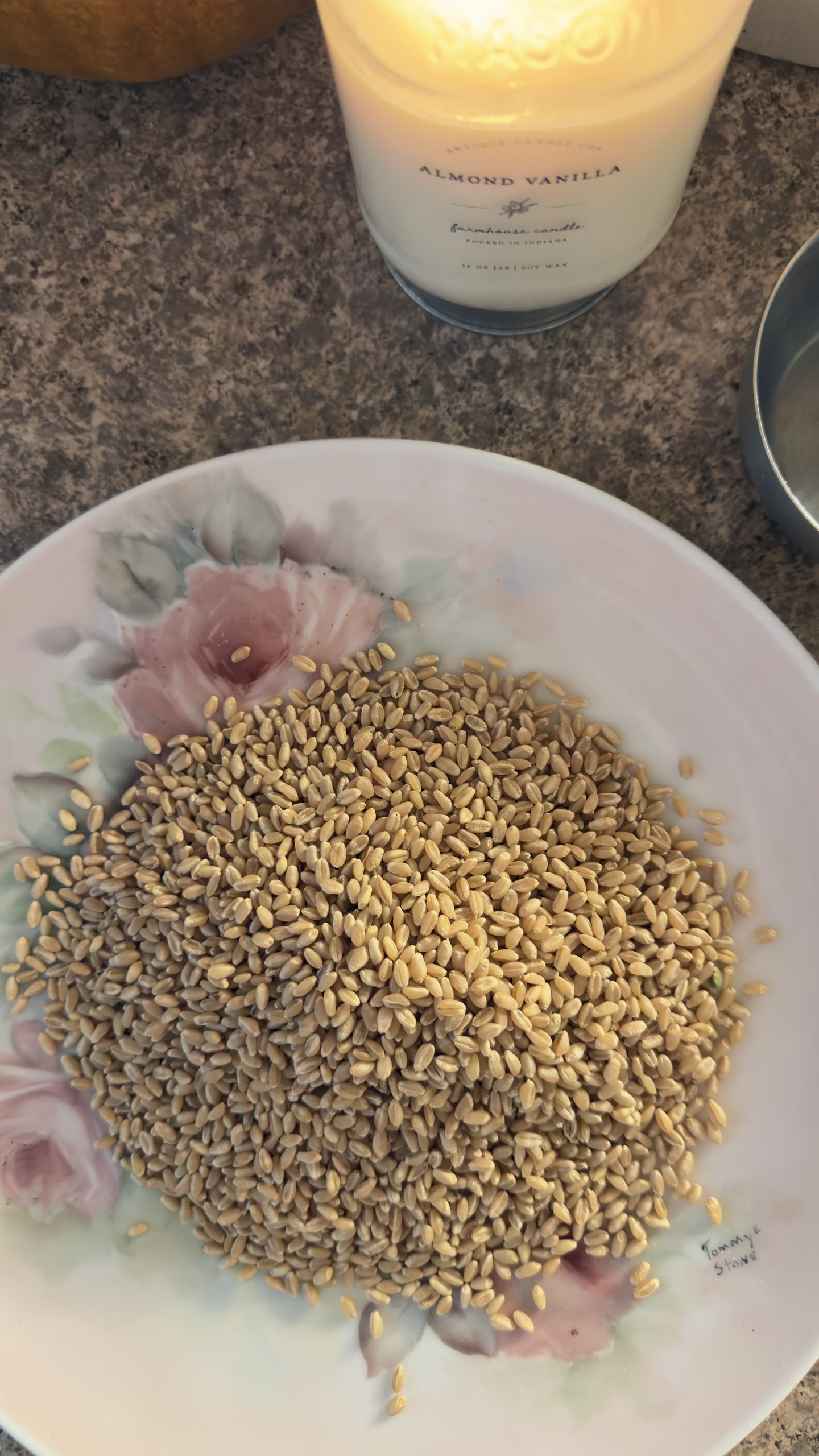
In my kitchen, I have measured 1 cup of flour to be about 140 grams. Now 1 cup of wheat berries is not the same as 1 cup of flour. 1 cup of wheat berries is around 215 grams, and again, 1 cup of flour is about 140 grams in my kitchen. I also have measured this to be that about 2/3 cup (140 grams) of wheat berries gives you about 1 cup (140 grams) of milled flour. So roughly, 2/3 cup of wheat berries gives 1 cup of flour, both weighing around 140 grams.
If I know I’m going to sift my flour, I mill extra, usually double is about right because I tend to sift out about half. Sometimes I like a litte extra beyond that, to use on the counter, but overall this makes the math very, very simple and not much to think through while i’m moving in the kitchen.
I share exact measurements for this in my different flour blends posts. This tells how much of each type of wheat to mill for what you are making and is far more detailed to make all purpose, bread, pastry, cake, self rising, etc, flours.
However, a general rule for sifted flour is, mill 1 1/3 cups or 280 grams of wheat berries for every 1 cup (140 grams) of sifted flour you need.
How to Sift Fresh-Milled Flour
The actual process couldn’t be much simpler.
1. Mill Your Wheat
Mill your wheat berries into fine flour according to the directions for your grain mill.
I use my NutriMill Classic on its finest setting because I want the flour as fine as I can get it before I ever begin sifting.
2. Place Your Sieve Over a Bowl and Add the Freshly Milled Flour
Spoon some of the flour into your sieve. Don’t pile it so full that you can’t easily work the flour through. I find it easier to work in manageable amounts.
4. Sift
Gently shake or work the flour through the sieve. The finer flour will fall into the bowl while the larger particles remain behind.
Once I’ve worked through the flour, I set the bran aside rather than throwing it away.
5. Measure Your Finished Flour
While my recipes and flour blends posts give guidelines that should get you pretty close to the exact amount needed, I still like to measure just to be sure as i’m scooping things in. Sometimes I will make a little extra to have flour to coat my hands or my countertop. And some days bread requires a little more or a little less flour depending on humidity, temperature and other factors.
Once I have the amount I need, I can store any extra flour and bran separately for another use, usually in the freezer until I’m ready.
Don’t Throw Away Your Bran
Now this part I feel rather strongly about.
I bought the whole wheat berry, so I’d quite like to use the whole wheat berry. And that’s even if all of it doesn’t end up in the same loaf of bread.
The bran left in your sieve can go right into another jar or container rather than the trash.
I use leftover wheat bran for things like:
- bran muffins
- homemade granola
- sourdough starter
- cookies, especially replacing oatmeal
- breadcrumbs
- meatloaf and meatballs
- cream of wheat
Sometimes I’ll use it in something where the heartier texture is welcome. Other times a spoonful here and there disappears into foods we’re already making.
So even when I decide I’d rather not have the bran in a particular cake or batch of soft rolls, it doesn’t mean the bran has to go to waste. It just gets added to another meal.
If you have extra bran you aren’t going to use for longer than a day, I’d toss it into the freezer.
What Can I Do With the Extra Sifted Flour?
Freeze it. Truly, this is what keeps the whole process from becoming fussy.
If I mill too much wheat, I just use what I need and I put the extra flour into the freezer. Tomorrow I’ll be pleased that I’ve already done the work.
You can also intentionally mill and sift a larger batch at once. If there is a particular flour you use often, you can make up enough for several recipes, store it in the freezer and scoop it out as needed.
Fresh milling doesn’t have to mean milling precisely before every biscuit goes into the oven. It can fit into the rhythm of your kitchen however it serves you best.
Leave a Reply